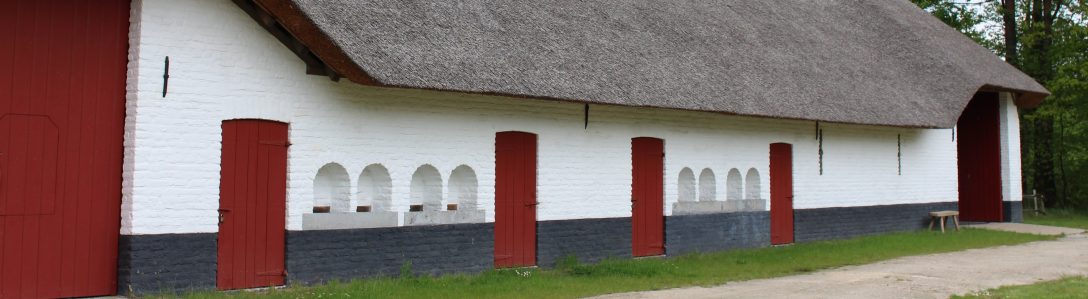

Up at seven thirty. We take our time at breakfast, thinking we might skip lunch today. We don’t dawdle though, because we have an appointment at ten. I take the wheel for a change, our first stop is Avenay-Val-d’Or, a fifteen minute drive. The villages here are quite old, with narrow streets and confusing intersections, I’m happy that it’s a weekend day and there are no trucks to complicate traffic. We’ve known this supplier for a few years already, so we say hello to the proprietor, exchange some pleasantries and load the cartons in the car. This house produces only six to eight thousands bottles per year, so it’s just the one man (though he gets seasonal help from acquaintances and family) and you can see the pride and passion in his face and gestures when he talks about his work. No time for a long chat, he’s expecting a group for a tour/tasting a bit later.
We’re now in the Montagne de Reims champagne region. We bounce from one village to the next on local roads, following the GPS with some scepticism, checking its directions against the signposts by the road. This can’t be the fastest route, but it’s at least picturesque. We meet up with our next supplier in his warehouse. We know the process of making champagne already, but it’s nice to hear what this proprietor has been working on, experimenting with, .. He believes in preserving the taste of the terroir, so doesn’t work with wooden barrels at all, for the aging of the champagne. He’s trying out glass amphorae, shows them to us and explains what he’s expecting.

At my request he also explains how the quota work exactly. Each house gets assigned a quota in kilos of grapes they’re allowed to harvest (this can change year by year) and then a quota in liters of juice they’re allowed to extract. There’s a central authority that calculates this every year, I assume one of the goals is to manage the total output, to keep the product rare enough. There are many other rules, concerning the production process, concerning the price of plots, .. There is fierce competition to buy plots, but they must remain in French hands.


We load up the cartons in the car. By now it requires a bit more precise stacking, but that’s okay, we’re leaving for home tomorrow.
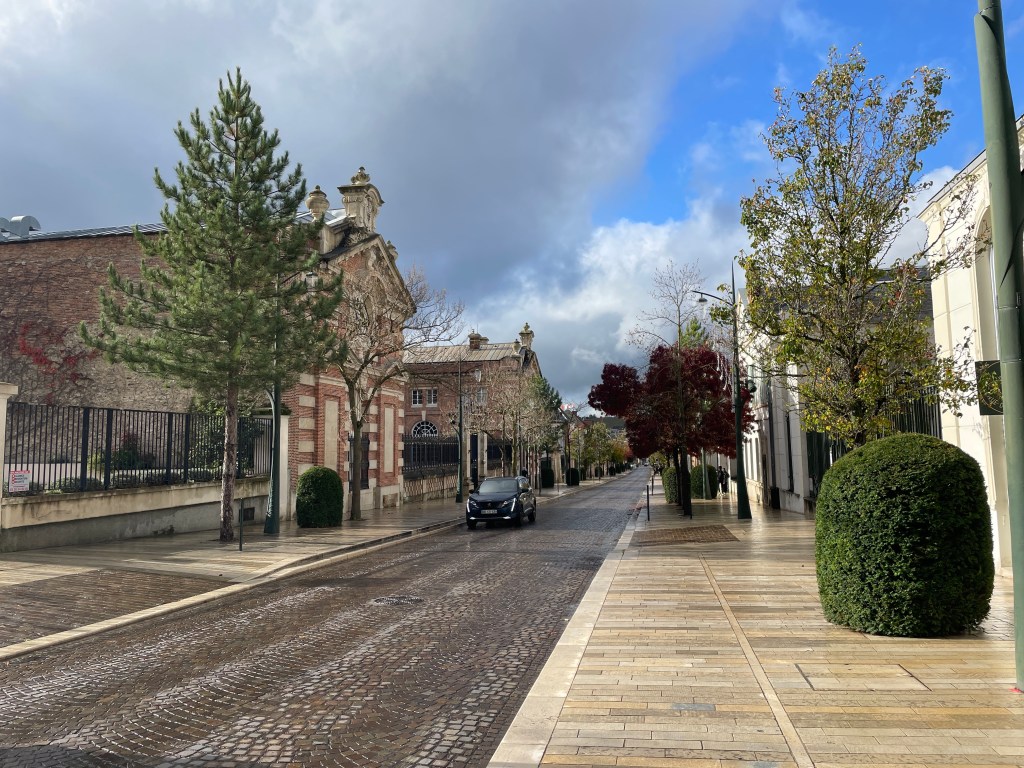
We pass the rest of the afternoon in Épernay, walking along the impressive Avenue du Champagne and visiting the park of Chateau Perrier. This avenue has some really grand houses, the public faces of the most famous champagne brands. Moët & Chandon for example was founded in 1743.
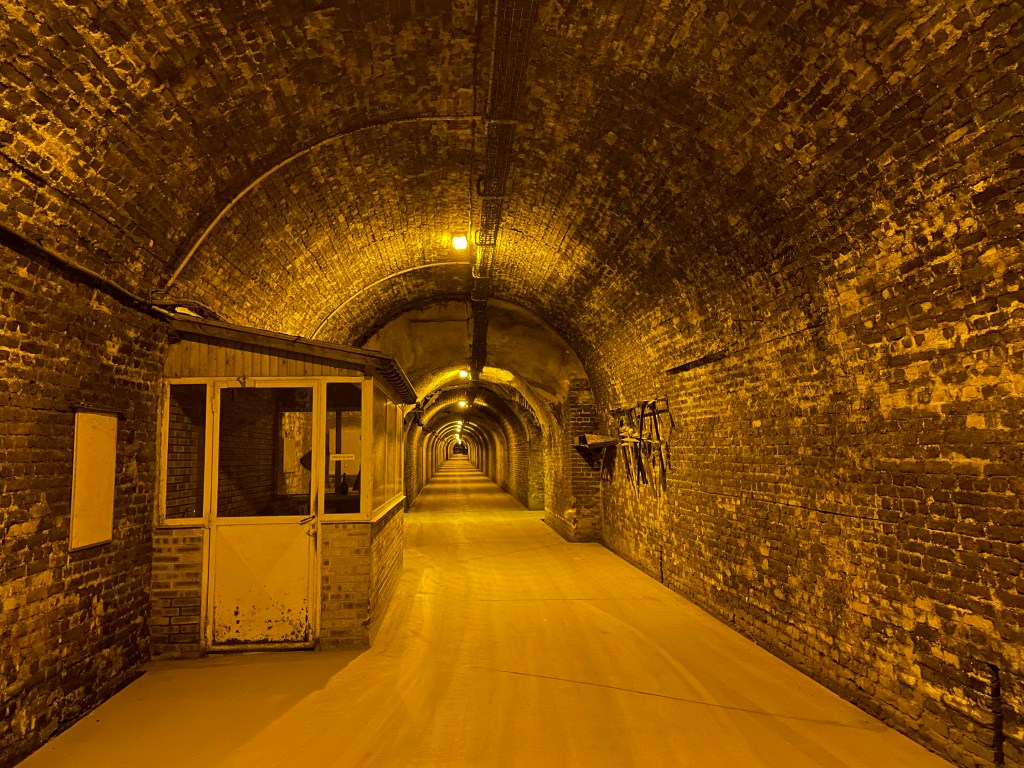
We’re at our hotel around three, having booked a gastronomical package. We relax in the spa for an hour or so before setting out again to visit champagne house La Castellane. This tour is part of the package and we’re only halfway into it, but it’s interesting to see the caves. Below the town of Épernay there are 110 km of halls, dug into the chalk by hand around the 1900’s. All together they hold 220 million bottles of champagne!

We end our holiday with a relaxed, gastronomical meal at the hotel, accompanied by – of course – a bottle of champagne.
 Febe writes