

Up at eight, breakfast at nine, packed and ready to go around ten or so. We have a lunch reservation at the restaurant Txispa (pronounced tsjispa – it means spark) in the tiny village of Axpe-Atxondo, about a ninety minute drive from here. We were politely informed by mail that we should arrive between 13:20 and 13:30, so we set the destination into the GPS and start driving the slow way around. We follow the coastal road for half an hour or so, driving in between green, rain-obscured hills, catching an occasional glimpse of the sea on the left. It’s steep hills all the way down to the water, with high cliffs interspersed with the occasional beach. The signs by the road, pointing to shops, rural b&bs and beaches, seem to indicate this is a good stretch for surfing.
We rejoin the highway when it starts following the coastline and decide we have time to stop in Castro Urdiales. We follow the signs towards the city centre and park at the port, intending a short stroll. There’s a eighteenth century city hall, looking out over a handsome square, with restaurants and shops in the surrounding arcade. A bit further on we see the Iglesia de Santa María de la Asunción, a late medieval church in the gothic style (I looked it up, but I had suspected it because of the flying buttresses) and the Castillo-Faro de Santa Ana, a twelfth century fortress now bearing a lighthouse.


On the way back to the car we do some grocery shopping in small stores in the pedestrian area. Nobody speaks English, but we can point with the best of them and know enough basic vocabulary to get by. Lunch will be an extended affair, so the light provisions are for the evening.
It continues to rain while we drive the final stretch and though we lose some time when the GPS insists we drive up a dead-end, steep, tiny road (and we refuse, obviously) and when we stop to get changed in the car (this is becoming a trend), we arrive around 13:40. Too late, according to the mail, but nobody mentions it and everyone’s very friendly.
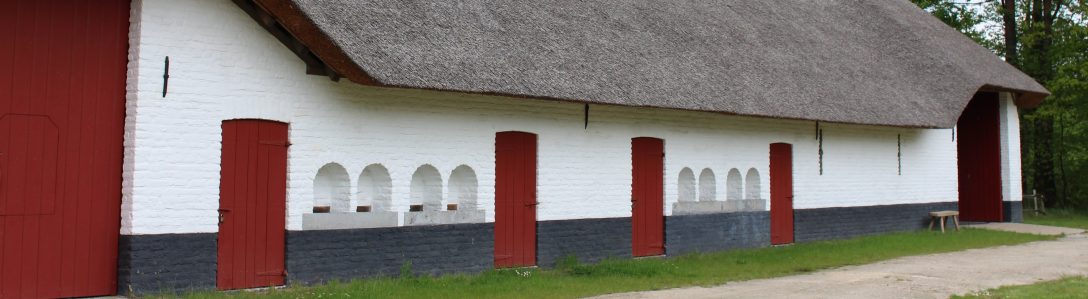
There’s a set procedure here: we have aperitif in the lounge, appetizers in the kitchen and the remaining courses at the table in the main room. It’s a beautiful house, it looks like a renovated stone barn, with thick walls made of rough hewn stone blocks and wooden rafters. The restaurant opened in May of this year and was renovated for the purpose, the confluence of modern, minimalist design and the traditional Basque structure is very charming.
The chef is Japanese but has worked in Basque restaurants for over a decade and this results in a style that is recognisably Basque, but with recognisable Japanese elements. It’s exquisite. It includes tofu made of chick peas and peanuts, soy sauce made of beef broth, cherry blossom syrup, all home made. Meat, fish and sea food are sourced locally, vegetables are all from the garden behind the restaurant. The chef comes around to the tables often to explain what’s what and we’re invited to the kitchen to see how the meat is broiled, the whole of it is quite an interesting and pleasant experience. In total we have 19 separate preparations, some simple, some very complex, all delicious.


We walk out around five and cross the quiet country road to our hotel. The fact that they’re so closely situated is a coincidence (we made our hotel reservation first and only later found the restaurant) but quite convenient. The hotel is in a similar style as the barn next door, from the eighteenth century or so they tell us, with much of the original walls and wooden rafters still intact. Apparently the hotel used to be a big farm and the restaurant building belonged to that farm. We shower, chill, have a picknick in the room, then lounge in the hotel bar to write/read. It’s about ten now, still raining, though it’s supposed to be dry tomorrow. We might go find one of the nearby vias verdes and do a walk.
 Febe writes